Showing posts with label allergies. Show all posts

Friday, January 13, 2012

6 Dirty Secrets You Never Knew about Protein Powders and Supplements


Mom--where is my Muscle Milk?!
Way to die young #9: Drink protein.

I will mostly be covering whey protein in this article. Whey protein is by far the most popular protein supplement in the industry. And, while I have plenty to say about soy protein, I can cover that in another article. So here it goes:

1. The majority of protein powder is just powdered milk
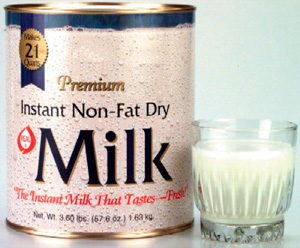
The most popular type of protein powder is whey protein. While the word “whey” probably makes many people think about “wheat”, it could be no farther from the truth. Whey protein powder is processed milk solids.Whey is one of the major protein sources found in cow’s milk. Manufacturers use a variety of methods to extract the whey but, in a nutshell, here is the process: The milk is pasteurized, the whey is seperated from casein (the other protein found in cow’s milk) and lactose, it is then purified, dried, and packaged.

Powdered milk is also produced in a similar manner. Powder milk, however, retains other elements of milk, such as natural occuring fats, lactose, vitamins, and minerals. Some might argue that these naturally occuring elements make powdered milk superior to whey concentrates.

2. They contain heavy metals
Arsenic, cadmium, and lead--to be exact.  It is well known that many packaged goods have a minimal tolerable limit for containing these types of toxic metals, and that is why I avoid those products. Heavy metals can lead to kidney problems, neurological disorders, and cancer. The worst part is that it takes your body 5 years on average to rid itself of these toxic elements. Remember arsenic? Yes, people use this to poison and kill other people and it is in your breakfast smoothie. 

Click here to see a full report of the heavy metal content in some of the most popular protein supplements: http://www.consumerreports.org/cro/magazine-archive/2010/july/food/protein-drinks/whats-in-your-protein-drink/index.htm


3. They are the most expensive source of protein
Many people believe they are getting a good value from buying protein powder tubs but in reality, they are not. A typical protein tub contains nearly 30 servings of protein at 15 grams each. The cost usually averages to $35 for a name brand product. That is 450 grams of protein. That comes out to about $.08 per gram of protein. Now look at a natural food like chicken breast. I can usually find boneless, skinless chicken breast for $1.99/lb. One lb of raw chicken breast contains roughly 104 grams of protein (note: I used raw because the weight changes drastically upon cooking. Cooked chicken actually has a highter protein percentage than raw chicken.) Using these figures, you can determine that chicken costs $.02 per gram. That means chicken is 4 times as cost effective as protein powder, and in my opinion tastes a hell of a lot better.


4. They aren’t real food
Like any other packaged food, no matter how many additives, enzymes and other “state-of-the-art” ingredients you add--packaged food will never out-perform real food. The bioavailabity of vitamins, minerals and other bio-active substances in real food works better in its natural form as opposed to created in some lab.There is a reason why calfs don’t drink whey protein shakes. It is because cows' milk has the biological advantage from thousands of years of evolution to provide superior development for the young cow’s development and to build strength. I don’t advocate humans drinking cow’s milk, but imagine if they extracted the protein from human breast milk and then tried to reassemble it in a powder form--oh wait, they do. This is why infants who are breast-fed are more developed than formula fed infants.


5. They contain aspartame and other harmful artificial sweeteners
Aspartame and other artificial sweeteners have been linked to numerous ailments over the years. Remember, if it seems to good to be true, it always is. If something taste sweet and doesn’t have calories, there will usually be consequences. 75% of all adverse food reactions reported to the FDA are linked to aspartame; reported reactions include dizziness, nausea, migraines and insomnia. The Mercola health newsletter cites studies linking Aspartame to severe conditions, including brain tumors, multiple sclerosis, Alzheimer's, mental retardation, epilepsy, chronic fatigue syndrome, Parkinson's disease, lymphoma, birth defects, fibromyalgia and diabetes. Some others even link artificial sweeteners to deteriation of the nervous system. 


6. They agitate your allergies
Whey concentrates contain lactose. If you are lactose intolerant, these powders will wreak havoc on your digestive system. Even if you are not, the lactose could still be irritating your seasonal allergies. Lactose is known to harm your microvilli and allow harmful substances (allergens) into your bloodstream. For a more in depth look at how dairy can exacerbate allergies read my article The Secret to Hack Seasonal Allergies.

If you are looking for a protein-rich diet, reach for real food. 
Many people complain that they don’t have the time to make real food, and like how convenient protein powders are. That is a ridiculous statement to make. How hard is it to throw a bunch of chicken breasts on some foil, and put it in the oven? You don’t even have to clean anything. Just wrap the chicken in the foil you cooked it in, put it in the fridge and toss it when you are done. I have cleaned a dried up protein shake cup. THAT takes time. Don’t sacrifice your health for saving time in your protein intake regimen. Real food always wins in both nutritional value and taste. Savour your food. Don’t chug it.

Tuesday, February 15, 2011

The Secret to Hack Seasonal Allergies


Avoiding these foods can make allergies virtually disappear
Way to die young #6: Consume these 3 things

It seems to be around this time of year that the sniffing, coughing and itchy eyes take hold of the masses. But, perhaps more annoying is the insufferable complaining. But what you may not know is that airborne allergies do not act alone. These seasonal agitators work in destructive harmony with the things you ingest.

I have suffered from severe seasonal allergies since early childhood. So intense, in fact, that I underwent two surgeries, had weekly shots administered, often stayed home from school, consumed a specialized diet and still have scarification from hive outbreaks. I would suffer 6-month long sinus infections every “allergy season”, which would usually exacerbate into a more serious illness. I then decided to try an elimination diet. I now consider myself immune from allergies. Not even a sniffle.

The top three common agitators of seasonal allergies are grains, dairy and alcohol. By eliminating these three agitators from your diet you can expect great resiliency against seasonal allergies.

Grains: Grains are grass seeds, so if you suffer from grass allergies, it only makes sense that eating a high amount of grains will only worsen your symptoms. But, grains also have a unique ability to induce leaky gut syndrome (or increased intestinal permeability) which makes allergies even worse. Leaky gut syndrome, in short, is where your microvilli (which contain enzymes that help complete digestion) become ineffective and your intestinal walls allow dangerous substances into your bloodsteam and body. These invaders cause inflammation, allergies and other illnesses  The anti-nutrients common in grains such as gluten and lectin do a good job binding to important vitamins and minerals while also damaging or destroying microvilli. Residual yeast in bread products can also contribute to leaky gut syndrome by means of fermentation and the creation of harmful bacteria. It is quite common for people that suffer from hay fever to reduce nearly all symptoms by completely eliminating grains.

Dairy: Lactose in dairy can also harm your microvilli, having the same effect as grains. The added hormones and chemicals in commercially produced dairy can also wreak havoc on your immune system. If you are lactose intolerant your body will have a strong reaction to the dairy and you will flush your body of beneficial bacteria that help fight infection. Milk is also high in casein which is not an easily digested protein. When the digestive system is over indundated with casein it reacts by weakening the immune system because it thinks it is under threat from foreign substances. This combined with the excess casein in your system leads to hyper sensitivity to external allergens. When your immune system is under stress and external allergens are present you are more likely to suffer for a prolonged period.


Alcohol: Alcohol contains histamines which directly trigger allergic outbreaks and agitate existing allergic responses. Some alcohols like wine are much higher in histamines and should be totally avoided if you suffer from seasonal allergies. Alcohol also contains sulfites, which are used as preservatives and have also been known to set off allergic reactions. A 2008 study proved that women who drink wine daily double their chances of having allergy related symptoms. Many grain liquors and beers contain wheat, gluten and other grain ingredients. We already covered how these ingredients can affect allergies. Many alcohols are fermented using bakers yeast. If you are already sensitive to yeast this will only make things worse. Another interesting study found that low to moderate drinking increased levels of Immunoglobulin E (IgE), a molecule involved in allergic diseases.

Other foods that are known to affect seasonal allergies are peanuts, soy, corn, rice, beans, fermented foods, and shellfish varying in personal tolerance levels. Sometimes people suffer allergy outbreaks because their bodies confuse proteins in fruits such as apples, bananas, kiwis, melons, pears and peaches. You can be tested for other individual food allergies to help determine what additional foods you should eliminate. But, for the typical human, eliminating these substances from your diet will take care of the majority of seasonal allergies.

People survived without grains, animal dairy, and alcohol for over a million years and they didn't have antihistamines. They only ate what was readily available to them. That is the same a reason you don't ever see wild animals coughing or sneezing. Only now do we see our carnivorous pets developing allergies with the introduction of grain based feed to their diet. 

It takes discipline to avoid these substances, especially if they are an essential part of your current diet. But, adherence to this elimination diet will improve your energy levels, help you lose weight and most importantly- finally conquer those seasonal allergies.