Friday, January 13, 2012

6 Dirty Secrets You Never Knew about Protein Powders and Supplements


Mom--where is my Muscle Milk?!
Way to die young #9: Drink protein.

I will mostly be covering whey protein in this article. Whey protein is by far the most popular protein supplement in the industry. And, while I have plenty to say about soy protein, I can cover that in another article. So here it goes:

1. The majority of protein powder is just powdered milk
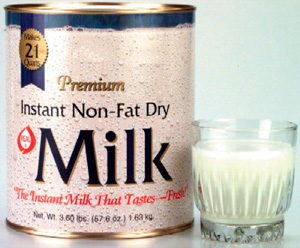
The most popular type of protein powder is whey protein. While the word “whey” probably makes many people think about “wheat”, it could be no farther from the truth. Whey protein powder is processed milk solids.Whey is one of the major protein sources found in cow’s milk. Manufacturers use a variety of methods to extract the whey but, in a nutshell, here is the process: The milk is pasteurized, the whey is seperated from casein (the other protein found in cow’s milk) and lactose, it is then purified, dried, and packaged.

Powdered milk is also produced in a similar manner. Powder milk, however, retains other elements of milk, such as natural occuring fats, lactose, vitamins, and minerals. Some might argue that these naturally occuring elements make powdered milk superior to whey concentrates.

2. They contain heavy metals
Arsenic, cadmium, and lead--to be exact.  It is well known that many packaged goods have a minimal tolerable limit for containing these types of toxic metals, and that is why I avoid those products. Heavy metals can lead to kidney problems, neurological disorders, and cancer. The worst part is that it takes your body 5 years on average to rid itself of these toxic elements. Remember arsenic? Yes, people use this to poison and kill other people and it is in your breakfast smoothie. 

Click here to see a full report of the heavy metal content in some of the most popular protein supplements: http://www.consumerreports.org/cro/magazine-archive/2010/july/food/protein-drinks/whats-in-your-protein-drink/index.htm


3. They are the most expensive source of protein
Many people believe they are getting a good value from buying protein powder tubs but in reality, they are not. A typical protein tub contains nearly 30 servings of protein at 15 grams each. The cost usually averages to $35 for a name brand product. That is 450 grams of protein. That comes out to about $.08 per gram of protein. Now look at a natural food like chicken breast. I can usually find boneless, skinless chicken breast for $1.99/lb. One lb of raw chicken breast contains roughly 104 grams of protein (note: I used raw because the weight changes drastically upon cooking. Cooked chicken actually has a highter protein percentage than raw chicken.) Using these figures, you can determine that chicken costs $.02 per gram. That means chicken is 4 times as cost effective as protein powder, and in my opinion tastes a hell of a lot better.


4. They aren’t real food
Like any other packaged food, no matter how many additives, enzymes and other “state-of-the-art” ingredients you add--packaged food will never out-perform real food. The bioavailabity of vitamins, minerals and other bio-active substances in real food works better in its natural form as opposed to created in some lab.There is a reason why calfs don’t drink whey protein shakes. It is because cows' milk has the biological advantage from thousands of years of evolution to provide superior development for the young cow’s development and to build strength. I don’t advocate humans drinking cow’s milk, but imagine if they extracted the protein from human breast milk and then tried to reassemble it in a powder form--oh wait, they do. This is why infants who are breast-fed are more developed than formula fed infants.


5. They contain aspartame and other harmful artificial sweeteners
Aspartame and other artificial sweeteners have been linked to numerous ailments over the years. Remember, if it seems to good to be true, it always is. If something taste sweet and doesn’t have calories, there will usually be consequences. 75% of all adverse food reactions reported to the FDA are linked to aspartame; reported reactions include dizziness, nausea, migraines and insomnia. The Mercola health newsletter cites studies linking Aspartame to severe conditions, including brain tumors, multiple sclerosis, Alzheimer's, mental retardation, epilepsy, chronic fatigue syndrome, Parkinson's disease, lymphoma, birth defects, fibromyalgia and diabetes. Some others even link artificial sweeteners to deteriation of the nervous system. 


6. They agitate your allergies
Whey concentrates contain lactose. If you are lactose intolerant, these powders will wreak havoc on your digestive system. Even if you are not, the lactose could still be irritating your seasonal allergies. Lactose is known to harm your microvilli and allow harmful substances (allergens) into your bloodstream. For a more in depth look at how dairy can exacerbate allergies read my article The Secret to Hack Seasonal Allergies.

If you are looking for a protein-rich diet, reach for real food. 
Many people complain that they don’t have the time to make real food, and like how convenient protein powders are. That is a ridiculous statement to make. How hard is it to throw a bunch of chicken breasts on some foil, and put it in the oven? You don’t even have to clean anything. Just wrap the chicken in the foil you cooked it in, put it in the fridge and toss it when you are done. I have cleaned a dried up protein shake cup. THAT takes time. Don’t sacrifice your health for saving time in your protein intake regimen. Real food always wins in both nutritional value and taste. Savour your food. Don’t chug it.

Thursday, April 7, 2011

Get Fit Without a Gym Membership: No DVD Required

Gym Memberships are a Rip-Off
Way to die young #8: Lift, Repeat

Imagine you are a Native American hundreds of years ago. You are chasing a boar for dinner. You exert yourself physically in grueling ways to make sure your tribe doesn’t go hungry. You and another tribesman carry the kill home. You are physically exhausted at the end of the hunt but, it was worth it. By today’s standards you are a very lean, physically fit specimen. Now I come in with some news for you.

I try to explain the concept of a gym to you. “Here is some meat, don’t worry how I got it. Eat it. Ok now, please step on this machine and run at a brisk pace until I tell you to stop. Now come over here and lift these heavy items with handles 10 times. Now again, ok, once more--good. Now lift these, like this. See?”

Before our time of domesticated fitness, peoples’ physical activity was driven by purpose or recreation. It is now a chore or a punishment. It is predictable and monotonous. Our bodies were designed to adapt to different physical stressors. It was common to move a cumbersome log or stone and to run barefoot while enjoying recreational activities with other humans. Not until we figured out we could manipulate our own musculature did gyms come in to rake a profit. But what the modern fitness mentality did was take the emphasis away from functionality and instead focused on aesthetics and strength.

Some even took domesticated fitness a step further by partaking in extreme regimented weight lifting. Body builders have very impressive physiques and most (I say most hesitatingly because some are actually very weak and bloated) can lift very heavy weight. But can these massive humans climb a tree, swim a channel or escape a predator? Probably not. That is because they have designed their bodies for unilateral strength movements and size instead of functionality. A perfect example is their use of weight belts. If they had sufficient core strength, they would not need such a device. This is why you hear of so many of these types of athletes “throwing their backs out.” Even a typical gym-rat whose bench press exceeds his body weight can pull a muscle putting away the dishes.

It is possible to attain a physically fit body without a gym membership. I do understand the convenience of a gym, but it should not be your only outlet of physical activity.  Sometimes the weather doesn’t permit outside physical activity and we have to do the best with what we have. Weight training can be a great supplement to any fitness regimen but it shouldn’t be the core of your fitness routine. If you are going to get out of breath, why not have some fun while you are doing it?

Playing group sports, doing yard chores, or moving various items can challenge your body in ways that a gym can simply not duplicate. You can even make your own gym with various stones and logs if you are willing to be a little adventurous. The challenge of gripping and lifting these asymmetrical shapes will prove a constant challenge. Or, just try to emulate a day in the life of a hunter (only during exercise, of course). A park can be the perfect place to enjoy your new fitness habit. It is also more beneficial for physical and mental health to engage in outdoor physical activity as opposed to indoors.

To be profitable, gyms must bank on the fact that the majority of those whom enroll will never use their facility. So why not cancel your dusty gym membership, toss that P90X DVD and let yourself have some fun for once?

Friday, March 11, 2011

The 4 Most Dangerous Types of Weight Loss Supplements

Why Weight Loss Supplements Lead to Long Term Failure.
Way to Die Young #7: Pop Pills

The supplement industry is huge and for a good reason. People want to accomplish the impossible without doing the hard work required. It is human nature to use shortcuts when possible. But, sometimes these shortcuts can lead to a dead end. Nutrition companies sell empty promises and prey on peoples' weaknesses and lack of knowledge.  Do you remember reading cliff/spark notes in college for twenty minutes to avoid reading an entire novel? That is what supplements are. An incomplete version of the original that ultimately leads you to failure.

While there are thousands of supplements, on the road to weight loss exist four types of popular supplements: stimulants, appetite suppressants, blockers and meal replacements.

Stimulants:

Stimulants work by increasing your heart rate and heating up your body creating a thermogenic effect to increase your caloric deficit and metabolic rate. A nice "side effect" can be lack of appetite. The symptoms of chronic use include insomnia, heart problems, anxiety, restlessness and increased tolerance.

Stimulants are highly addictive in many ways. Once you start taking stimulants your tolerance increases and you need more to get the same "buzz". The longer you take them, the higher doses you will require. Once you are accustomed to these higher doses and you decide you want to quit, you are in for a world of pain. If you abuse stimulants your body will suffer painful withdrawals after cessation. The withdrawal symptoms include insomnia, depression, rapid or irregular heartbeat, headaches, fatigue and increased appetite.You will crave stimulants to get you feeling "normal" again. This makes quitting very difficult for the average person. Many people take the stimulants for increased focus or mental clarity. This is how energy drinks are marketed. This is usually accompanied by jitters and a crash. If you are having trouble sleeping stimulants could be to blame. They put your body in a state of unrest when you need to relax. Another reported side effect of stimulant abuse is acne. The stimulants create stress in your body which leads to increased sebum levels which manifests in outbreaks.

Appetite suppressants:

Appetite suppressants simply trick your brain or body into thinking it is full. Some people use fillers, calorie free "food" or fiber supplements to fill their stomachs to capacity without added calories. Other supplements make hunger go away by altering your brain chemistry. Common side effects include insomnia, gastrointestinal issues, and heart problems including high blood pressure. The real problem is the act of taking a pill to cease a natural body function. This would be the same as taking a pill to reduce thirst. It makes no sense. In most healthy adults, the hypothalamus acts to regulate hunger and satiety. Your body signals hunger when you need nourishment or in some cases water. This means you need to eat! Taking these pills interferes with your bodies natural ability to regulate its nutrient uptake. People who generally take these pills have bad dietary habits so they feel they must refrain from eating when they are hungry to avoid excess calories. Instead of blocking your hunger signals, take care of yourself by eating a healthy whole food diet. You will lose just as much weight, if not more, and will not suffer the terrible side effects.

Meal Replacements:

Meal replacements are often marketed as healthy food supplements with minimal calories providing all of your essential nutrients. What they really are is a high sugar low-quality-protein milkshake. You are better off eating a Snickers bar. At least you would expend calories chewing. These shakes are basically candy bars with crushed up multivitamins. In essence they are a complete meal because they contain all three macronutrients (fat, protein and carbohydrate). But they strip these macronutrients down to their most basic form and simplify the complementary nutritional profile of the foods from which they were derived. Since they are in liquid form it is easier to consume more calories in a short period of time. Since you simply chug down a shake your stomach does not have ample time to signal your brain that it is full. This may lead to excess consumption. Since the shake is digested in minimal time you will be hungry far sooner than if you consumed a solid food meal.

Blockers:

Blockers use binding agents or other means to keep certain macronutrients like fat or carbohydrate from being metabolized by your body thus effectively negating the ingested calories. Side effects of popular fat-blockers include diarrhea, oily gas (yes that is right) and frequent bowel movements. Carbohydrate blockers have similar side effects and include diarrhea, upset stomach, gas and heartburn. One of the most dangerous side effects of blockers however, is their interference with vitamin and mineral absorption. Since certain vitamins and minerals require different types of fat for synthesis, they are never absorbed. This alone could lead to an onslaught of other medical conditions. Furthermore, if you are blocking carbs and fats you are only using protein for energy and are missing two-thirds of all essential nutrients. A protein-only diet with no fat or carbohydrate can not be sustained for long. It will actually kill you. Please refer to Wikipedia link on rabbit starvation for more information.

All supplements offer a costly unnatural pattern of consumption that must be maintained in order to achieve your goals. Once you quit taking any of these supplements you will be dissapointed with the immediate weight gain and will likely reintroduce the supplements in a never ending cycle of abuse or return to your old habits. Taking supplements should never replace a practical fitness and diet regime. Something you can maintain for life is the only sensible way to stay healthy and fit. When the reward of a supplement is high its after effects are usually the most detrimental. Avoid chronic illness and abusive behavior by steering clear of weight loss supplements. When you do it on your own you will be a true motivation to others and will propagate responsible weight loss practices. 

Tuesday, February 15, 2011

The Secret to Hack Seasonal Allergies


Avoiding these foods can make allergies virtually disappear
Way to die young #6: Consume these 3 things

It seems to be around this time of year that the sniffing, coughing and itchy eyes take hold of the masses. But, perhaps more annoying is the insufferable complaining. But what you may not know is that airborne allergies do not act alone. These seasonal agitators work in destructive harmony with the things you ingest.

I have suffered from severe seasonal allergies since early childhood. So intense, in fact, that I underwent two surgeries, had weekly shots administered, often stayed home from school, consumed a specialized diet and still have scarification from hive outbreaks. I would suffer 6-month long sinus infections every “allergy season”, which would usually exacerbate into a more serious illness. I then decided to try an elimination diet. I now consider myself immune from allergies. Not even a sniffle.

The top three common agitators of seasonal allergies are grains, dairy and alcohol. By eliminating these three agitators from your diet you can expect great resiliency against seasonal allergies.

Grains: Grains are grass seeds, so if you suffer from grass allergies, it only makes sense that eating a high amount of grains will only worsen your symptoms. But, grains also have a unique ability to induce leaky gut syndrome (or increased intestinal permeability) which makes allergies even worse. Leaky gut syndrome, in short, is where your microvilli (which contain enzymes that help complete digestion) become ineffective and your intestinal walls allow dangerous substances into your bloodsteam and body. These invaders cause inflammation, allergies and other illnesses  The anti-nutrients common in grains such as gluten and lectin do a good job binding to important vitamins and minerals while also damaging or destroying microvilli. Residual yeast in bread products can also contribute to leaky gut syndrome by means of fermentation and the creation of harmful bacteria. It is quite common for people that suffer from hay fever to reduce nearly all symptoms by completely eliminating grains.

Dairy: Lactose in dairy can also harm your microvilli, having the same effect as grains. The added hormones and chemicals in commercially produced dairy can also wreak havoc on your immune system. If you are lactose intolerant your body will have a strong reaction to the dairy and you will flush your body of beneficial bacteria that help fight infection. Milk is also high in casein which is not an easily digested protein. When the digestive system is over indundated with casein it reacts by weakening the immune system because it thinks it is under threat from foreign substances. This combined with the excess casein in your system leads to hyper sensitivity to external allergens. When your immune system is under stress and external allergens are present you are more likely to suffer for a prolonged period.


Alcohol: Alcohol contains histamines which directly trigger allergic outbreaks and agitate existing allergic responses. Some alcohols like wine are much higher in histamines and should be totally avoided if you suffer from seasonal allergies. Alcohol also contains sulfites, which are used as preservatives and have also been known to set off allergic reactions. A 2008 study proved that women who drink wine daily double their chances of having allergy related symptoms. Many grain liquors and beers contain wheat, gluten and other grain ingredients. We already covered how these ingredients can affect allergies. Many alcohols are fermented using bakers yeast. If you are already sensitive to yeast this will only make things worse. Another interesting study found that low to moderate drinking increased levels of Immunoglobulin E (IgE), a molecule involved in allergic diseases.

Other foods that are known to affect seasonal allergies are peanuts, soy, corn, rice, beans, fermented foods, and shellfish varying in personal tolerance levels. Sometimes people suffer allergy outbreaks because their bodies confuse proteins in fruits such as apples, bananas, kiwis, melons, pears and peaches. You can be tested for other individual food allergies to help determine what additional foods you should eliminate. But, for the typical human, eliminating these substances from your diet will take care of the majority of seasonal allergies.

People survived without grains, animal dairy, and alcohol for over a million years and they didn't have antihistamines. They only ate what was readily available to them. That is the same a reason you don't ever see wild animals coughing or sneezing. Only now do we see our carnivorous pets developing allergies with the introduction of grain based feed to their diet. 

It takes discipline to avoid these substances, especially if they are an essential part of your current diet. But, adherence to this elimination diet will improve your energy levels, help you lose weight and most importantly- finally conquer those seasonal allergies.

Thursday, February 3, 2011

The Newest "Forgotten" Superfood

Superfoods aren't all Grown on Trees
Way to Die Young #5: Eat Only Ground Beef

When most people think of superfoods they think about an exotic fruit tucked away in some far distant jungle.  A more brilliant color or foreign appearance means greater perceived health benefits. Food manufacturers have recently capitalized on this trend by adding “super foods” such as goji or acai berry to their products while marketing them as health foods.

But this new superfood I speak of isn’t plucked from a tree or unearthed by any native hands. This superfood is animal based. Offal, more commonly known as organ meat is the granddaddy of all super foods. People don’t realize the tremendous health benefits of these types of meat. Someone practicing a carnivorous diet could obtain a good amount of all their essential vitamins and minerals by supplementing organ meat on a daily basis.

Notice the table on the left comparing two parts of the cow. The liver provides much more nutrition per serving than the steak. Many people struggle to fulfill their daily mineral intake. A small serving of liver once a day could help you add additional minerals and lean protein to your diet. While liver is high in cholesterol, it has recently been proven that dietary cholesterol does not contribute to overall cholesterol levels.

Another exciting piece of offal is brain. Brain is quite taboo but offers one great advantage over other traditional cuts of meat- its rich abundance of omega 3 fatty acids. These are the same types of fats found in wild salmon and walnuts that the majority of Americans are lacking in their diet. These fatty acids improve brain and skin function.

Some people might be hesitant to eat these cuts of meat due to social stigmas and conditioning but, the truth is they are the most nutritious part of the animal. This might explain why the first thing a predator in the wild will eat is the prey’s vital organs. Why waste a perfectly good piece of meat?

Many offals are best stewed, slow cooked or braised due to the amount of connective tissue they contain. But this tissue also offers another benefit- collagen and elastin for great skin into old age.

Other benefits include generous amounts of CoQ10, an enzyme that helps cognitive ability, reduces oxidation, repairs gum tissue, increases energy, possibly  prevents Parkinson’s disease and even increases lifespan.

While eating offal remains a stigma in the western world, other parts of the world consume it for the unique taste and benefits. Be sure to buy your offal from a butcher you know and trust or a reputable grocer chain.

Tuesday, January 18, 2011

Is Weight Related to Grocer Preference?

The secret to weight loss is in your wallet.
Way to Die Young #4: Skimp on Food Budget

To Lose weight you must see food as an investment.  When most people start to budget, the first thing they cut back on is grocery expenses. Not cable TV, not internet but, instead the food they ingest that grants them their livelihood. Every dollar you invest in quality nutrition is $10 saved on future medical care costs. Instead of buying processed junk, opt for fresh local produce and meats. If you eliminate all processed foods you will see a reduction in weight. Guaranteed. Your health will also improve tremendously.

The leading causes of death can all be attributed to poor dietary choices. Diabetes and heart disease are among the most common directly related to diet. An over consumption of refined carbohydrates combined with processed fats contribute to insulin sensitivity and arterial blockage. Many people complain, “I can’t afford to buy local organic produce.” Well how will you afford your statins, blood pressure, and diabetes treatment and medication? It is true that quality food does come with a price premium. Why is it that people will shell out upwards of $500 dollars for the nicest cell phone on the market, but buy the cheapest brand of white bread possible to save $.30 cents? This is your livelihood we are talking about. You truly are what you eat.

Take this excerpt from a recent Washington study:

“In the Seattle area, a region with an average obesity rate of about 20 percent, only about 4 percent of shoppers who filled their carts at Whole Foods Market stores were obese, compared with nearly 40 percent of shoppers at lower-priced Albertsons stores.”

I know this doesn’t mean that the shoppers are skinny because they shop at Whole Foods. But these shoppers make a conscious choice to spend more money on premium foods and they incidentally are thinner. When you spend more money on your groceries you also feel more attachment to the purchased items as they come at a greater cost to you as a consumer. You will eat less because you truly have to ration. Your budgeting now becomes “eat less to save money” instead of “eat more cheap crap.” For example, I eat lunch every day at Whole Foods. I usually try to keep the lunch around $6. This forces me to eat a smaller quantity of food because it is more expensive and I realize I cannot afford to eat as much as my zealous appetite thinks it can handle. The food is also of high quality. If I spent $6 dollars at McDonalds I would more than triple my calorie count and indigestion. This strategy is a win-win.

There are other options that are not as pricey as Whole Foods. Farmer Market grocers have grown in popularity and subsidize their produce losses with higher cost packaged goods. This means that they make little to no money on their fresh vegetables and fruit. They also have very competitive weekly sales.

The basic needs of human life are food, water and shelter. Why skimp on the most fundamental part of life. The nutrients that give us energy and health are nothing to build a budget around. Food first. Don’t you want to live a long healthy life, free from chemical cocktails?

Wednesday, June 2, 2010

Sodium Poisoning:

A Salty Death
Way to Die Young #3: Shake it like a Salt Shaker

Can too much salt be deadly? Well, not directly. An overdose of salt won't kill you but the short term effects can be discomforting and the long term effects could play a part in a premature death.

There currently exists talk of regulating the amount of sodium in consumer food products. Many people are outraged by the notion. Others rejoice for the public initiative to take a more active role in our nation's health.

Surely all Americans should have the freedom to choose the foods they eat. But, do they? Does food transcend other consumer goods in the regard of ultimate freedom from regulation? If the government can regulate alcohol, tobacco and medicine all which are plant derivatives they should also be able to regulate processed and packaged foods which exist in an unnatural state. From the point we buy a packaged food at our local retailer we give up our freedom of choice. We have passed this freedom and responsibility on to the corporation and retailer from whom we bought the food.

Excess sodium (daily RDA ranges from 1,500-3000 mg) leads to high blood pressure. Over a period of time high blood pressure could lead to hypertension, stroke and even a heart attack.

Other notable side effects may include edema (fluid retention or bloating), cardiac enlargement, osteoporosis, gastric cancer, various ulcers, kidney stones, kidney failure and heartburn. Salty foods also increase the amount of total intake. That is if you eat salty foods you are prone to eat more than a normal amount. The salt stimulated increase in appetite leads to weight gain.

The problem with salt is that is behaves like a drug in regards to tolerance. The more salty foods a person eats the more they become tolerable to them. So you begin to crave saltier foods and require salt to enhance the flavor of foods that become bland because of your increased tolerance. However if you “quit” salt cold turkey you can make a full recovery. Normal foods will once again taste delicious without salty enhancements and you slowly crave salty foods less and less. Eventually the same salty foods which you once couldn't live without will be spit out in disgust. **[One serving of Campbell's Chicken Noodle Soup contains 100% of your daily RDA of sodium.]

So should sodium or “salt” be regulated? Absolutely. The government isn't regulating consumer choice but instead corporate responsibility like they have for hundreds of years. Consider it a challenge for food companies to make great food without shortcuts but instead fresh, real ingredients.

The best solution for a low-sodium diet is to eat whole foods including fresh produce and unadulterated meats. You can eat all you want and never have to check a label for sodium content. And my government will never ban nature's abundant harvest.